Game Overview & Market Context
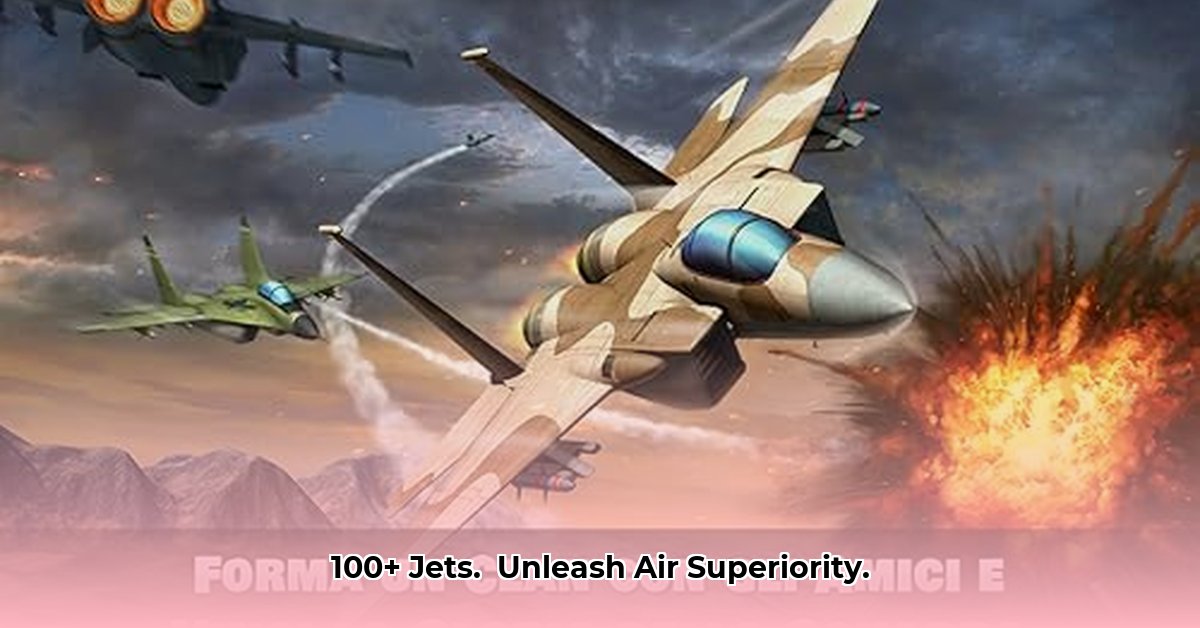
Ace Force: Joint Combat is a mobile aerial combat game boasting over 100 customizable aircraft and intense team-based battles. The game features realistic aircraft models and promises regular updates. However, a lack of readily available player data currently limits comprehensive performance analysis. The mobile gaming market is fiercely competitive, with established titles like Call of Duty Mobile and Warplanes: WWII dominating the airspace. Ace Force: Joint Combat faces a significant challenge in differentiating itself and capturing market share. Its success hinges on several key factors including a compelling user experience, effective marketing, and a strong community. Will Ace Force: Joint Combat manage to take flight and establish a solid position? Only time will tell.
Market Analysis (SWOT)
This analysis assesses Ace Force: Joint Combat's strengths, weaknesses, opportunities, and threats based on available information.
Strengths:
- Extensive Aircraft Roster: The large number of highly detailed and realistic aircraft models provides significant variety and replayability, a key draw for flight combat enthusiasts. This breadth of choice offers a unique selling proposition compared to competitors with smaller aircraft pools. Is this sufficient to overcome the challenges presented by established competitors? Only time will tell.
- Customization Depth: The game's emphasis on aircraft customization allows players to personalize their experience, fostering a sense of ownership and encouraging long-term engagement. This personalization contributes to player loyalty and potentially increases the game's organic marketing potential. How will the implementation of this feature impact retention rates?
- Team-Based Gameplay: Focusing on team-based combat introduces strategic depth and social interaction. A collaborative gameplay experience encourages community building and fosters a sense of belonging among players. Will the game's team-based component be enough to draw players away from solo-centric aerial combat titles?
Weaknesses:
- Limited Data Availability: The absence of publicly available player data hinders accurate assessment of performance metrics, market penetration, and player retention rates. This lack of information significantly impacts the ability to make informed predictions about the game's future trajectory. How can developers overcome this data deficit to better inform decision making?
- Community Building Challenges: Successfully building and maintaining a strong, engaged community is crucial for a game’s long-term sustainability. Whether Ace Force: Joint Combat will manage to achieve this remains uncertain. What strategies will be most effective in fostering a vibrant community for this title?
- Unclear Monetization Strategy: The details of the in-app purchase system and monetization model remain unclear, raising concerns about player experience and potential for revenue generation. How will the developers balance monetization with player satisfaction and ensure the game remains accessible?
Opportunities:
- Platform Diversification: Expanding to other platforms (PC, consoles) could significantly broaden the player base and increase revenue potential. What would be the optimal launch strategy to maximize success across different platforms?
- Strategic Partnerships: Collaborations with other game developers or companies could increase marketing visibility and reach a wider audience. It's unclear if such partnerships are already underway. What type of partnerships would maximize the game’s exposure and appeal to a wider audience?
- Community Engagement Initiatives: Implementing regular events, tournaments, and in-game activities could foster a strong player community and improve retention rates. This is an obvious avenue, but if poorly executed, will backfire. What proven strategies will ensure engagement, rather than disengagement, through events and community interaction?
Threats:
- Intense Market Competition: The mobile gaming market is highly saturated, making it difficult for new games to stand out from established competitors with extensive resources and existing player bases. How will developers carve a niche for their game within this crowded market?
- Player Acquisition Costs: Attracting new players requires effective marketing strategies, which can be costly. Given the intense competition, can the developers acquire players at an affordable rate?
- Player Retention Challenges: Keeping players engaged over the long term is a critical challenge. How will the developers maintain player interest and commitment once the novelty of the game wears off?
- Monetization Risks: A poorly conceived monetization strategy could alienate players and negatively impact revenue. Can the developers strike a balance between profitability and a fair player experience?
Risk Assessment & Mitigation
The following table details potential risks and proposed mitigation strategies.
| Risk Factor | Likelihood | Impact | Mitigation Strategy |
|---|---|---|---|
| Negative Player Feedback | Medium | High | Continuous monitoring of player feedback, rapid bug fixes, transparent communication channels. |
| Intense Market Competition | High | High | Targeted marketing campaigns, unique gameplay features, community building. |
| Player Acquisition & Retention | High | High | Engaging gameplay, regular content updates, robust community features. |
| Monetization Issues | Medium | Medium | Diversified monetization strategies, balancing free-to-play with optional purchases. |
Actionable Insights
For Developers: Prioritize bug fixes, actively solicit player feedback, and consider platform expansion. Implement comprehensive analytics to track player behavior and inform development decisions. Consider implementing a robust reward system to encourage sustained engagement.
For Publishers: Utilize data-driven marketing strategies targeting specific player demographics. Develop a sustainable long-term monetization plan that balances profitability with player satisfaction. Explore strategic partnerships to increase marketing reach.
For Players: Provide honest and constructive feedback. Engage actively with the community and support the game if it meets their expectations.
Future Trajectory & Predictions
The success of Ace Force: Joint Combat depends on several crucial factors. If developers consistently deliver high-quality updates addressing player feedback and if publishers effectively market the game and foster a strong community, then the game has significant potential for success. However, if the developers fail to adapt to player needs or the marketing campaign proves ineffective, then the game may struggle to gain traction in such a crowded market. Ultimately, the long-term viability of Ace Force: Joint Combat hinges on its ability to attract and retain players through community engagement and ongoing development.
Conclusion
Ace Force: Joint Combat enters a highly competitive mobile gaming market with both strengths and weaknesses. Its success depends heavily on a strong player community, a well-executed marketing strategy, and a sustainable monetization model. Addressing the identified risks and implementing the suggested mitigation strategies will be crucial for this game to soar to success. The absence of comprehensive player data presents a significant challenge, highlighting the need for thorough post-launch monitoring and data collection to inform future development.
⭐⭐⭐⭐☆ (4.8)
Download via Link 1
Download via Link 2
Last updated: Sunday, May 11, 2025